The SIM YAMAHA tech department receives requests asking “what is this squealing noise”—especially one that comes and goes, often noticeable at idle or low RPMs after the engine warms up or following a run—is a very common issue on many Yamaha four-stroke outboards in the F40 to F350 range (including popular models like the F115, F150, F200, etc.).
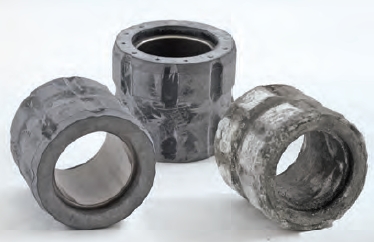
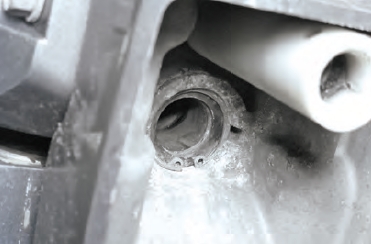
It’s almost always caused by the driveshaft support bushing (the rubber-encased bronze bearing in the midsection/upper casing).
Here’s why it behaves that way:
- The bushing supports the driveshaft just above the water pump area to reduce vibration and side loads.
- Over time (or if not maintained), the original grease washes away or dries out due to water exposure, heat, and engine operation.
- When dry, the rubber/bronze surface rubs against the spinning driveshaft, creating that annoying squeak, chirp, squeal, or belt-like noise.
- The sound is often intermittent because:
- It may quiet down once the area gets a bit of temporary lubrication from residual moisture/oil or heat expansion.
- It tends to appear more after warming up, during idle/trolling, or right after coming off plane (when RPMs drop).
- At higher cruising speeds, engine noise drowns it out, or slight shaft alignment/vibration changes reduce contact friction temporarily.
Many owners report the exact “comes and goes” pattern—quiet at first start, then starts chirping after 10–30 minutes or post-run, fades in/out, etc.
Quick Fixes and Prevention
- Best solution: Drop the lower unit (as you do for water pump service) and thoroughly clean the bushing area (wipe out old gunk/salt/corrosion), then apply Yamaha WR No. 2 grease generously to the driveshaft journal where it rides in the bushing and to the splines. This grease is formulated to stay in place longer and resist washout—many users say it lasts a full season or more.
- Temporary workaround (if you can’t drop the leg right away): Some YAMAHA Spray Silicone Lubricant or similar on the visible upper driveshaft (under the midsection cowling/plastic cover if accessible), letting it wick down to the bushing. This quiets it for a while but isn’t as reliable or long-lasting as proper greasing.
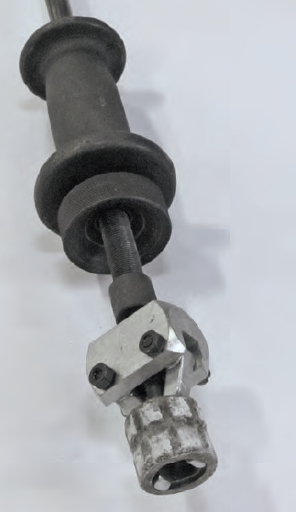
- If neglected too long: The squeak turns into grinding/metal-on-metal wear, which can score the driveshaft and ruin the bushing—requiring replacement (snap ring out, slide hammer with puller, new bushing pressed in). Check for visible scoring or corrosion when you service it.
This maintenance is recommended every 100 hours or annually anyway (tied to water pump changes), so addressing it now prevents bigger headaches.